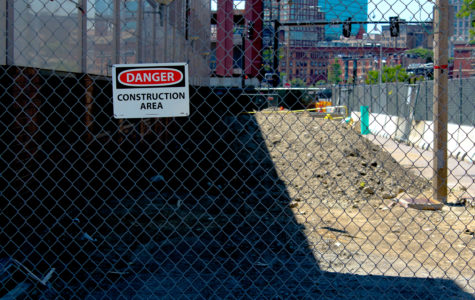
Prioritize obtaining a detailed business plan outlining projections for real estate acquisition, renovations, and the design of operational frameworks. Allocate a minimum of several million dollars to secure a prime location, Check this out as visibility and accessibility are pivotal to attracting clientele.
Your project budget should also integrate significant investments in gaming equipment, furniture, and technology. Allocate at least $500,000 to $1,000,000 for slot machines and table games, factoring in the compliance with local regulations and standards. Additionally, set aside funds for obtaining the necessary licenses and permits, which can vary widely based on jurisdiction but may exceed $100,000.
Next, evaluate potential staffing expenses, including hiring experienced professionals for key positions. Allocate funding for training programs, as well as ongoing employee development to ensure a skilled workforce. Lastly, consider marketing strategies to develop brand recognition, which may necessitate an additional $50,000 to $150,000 for initial promotional campaigns. Each decision in your planning stage informs the overall success of your venture.
Understanding Licensing and Regulatory Fees for Casinos
Each jurisdiction imposes specific charges related to permits and regulatory compliance. Research local laws to determine exact amounts. These can span from thousands to several million dollars depending on location and scale.
Types of Fees Involved
Expect various fees, including application fees, annual renewal fees, and compliance assessments. Application fees often cover the administrative costs incurred by regulatory bodies when reviewing applications.
Some regions mandate a fee structure based on revenue projections. In such cases, a percentage of estimated earnings may be required upfront, along with ongoing payments as revenue grows. This approach ensures that fees align with the success of the operation.
Impact of Regulatory Bodies
Regulatory entities often perform background checks on owners and key personnel. These evaluations may incur additional charges, reinforcing the importance of budgeting for these expenses early in the planning process.
Stay updated on potential legislative changes that could affect fees. Regulators can modify the financial landscape swiftly, impacting ongoing operations and future expansions.
Engage with legal experts familiar with local regulations. Their insights can help navigate complex requirements and ensure compliance, potentially averting costly fines or operational interruptions.
Evaluating Initial Capital Requirements for Casino Equipment
Determine a budget of approximately $1.5 million to $5 million for procurement of equipment, including gaming tables, slot machines, and surveillance systems. This range varies based on location, scale, and regulatory demands. Prioritize investing in high-demand games and technologies that enhance player experience, as these will generate higher returns.
Factor in ongoing maintenance and compliance costs with regulations. Licensing expenses must align with equipment investment, often ranging between $100,000 and $500,000. Survey local jurisdictions to understand specific fees associated with operation. This research can prevent unexpected financial burdens during the operation phase.
Consider equipment warranty and support when making purchasing decisions. Reliable vendors typically offer warranties ranging from 1 to 5 years, ensuring that replacement or repairs do not create sudden financial stresses. Establish relationships with suppliers who provide quality service beyond just the sale, as this could mitigate long-term expenses.
Allocate a portion of the budget for modernization and upgrades. The gaming industry frequently adopts new technologies, such as cashless gaming systems and enhanced cybersecurity measures. A set-aside of around 10% of the total equipment budget for future enhancements can facilitate keeping operations up-to-date, ensuring competitiveness and compliance with evolving standards.
Assessing Costs for Location, Renovation, and Compliance
Choose a prime site that attracts foot traffic. Invest in a thorough market analysis to identify areas with high visitor potential. Look into leasing agreements versus buying property. Factor in local demographics and accessibility when making your decision.
Renovation expenses can vary significantly based on condition and design needs. Allocate a budget for structural changes, interior design, and signage. Aim for a balance between flashy aesthetics and comfortable, functional spaces. Prioritize areas that enhance customer experience, such as lounges and dining options.
- Inspect existing infrastructure for required upgrades.
- Consider acoustics and lighting for gaming areas.
- Evaluate parking capacity and accessibility.
Compliance fees can be substantial and often overlooked. Research local regulations, licensing fees, and operational permits. Engage with legal experts to understand the requirements specific to the gaming industry. Failing to comply can result in significant fines or operational shutdowns.
Plan for ongoing expenses related to inspections and regulatory updates. Create a dedicated compliance budget alongside renovation and location costs. This proactive approach will help manage risks and streamline operations while aligning with local standards.
